
Condominium Ownership
Understanding Condominium Ownership vs. Single-Family Homes
Condominium Living in Florida: What You Need to Know
Owning a condominium offers a different lifestyle compared to a traditional single-family home. Condos often provide resort-style amenities like swimming pools, fitness centers, clubhouses, and beautifully maintained grounds. They are ideal for those who want convenience, lower maintenance responsibilities, and a community-focused environment.
In contrast, single-family homes offer complete control over the property, including the yard, exterior maintenance, and landscaping. Buyers trade the maintenance-free lifestyle of a condo for more privacy, space, and freedom to modify their property. Understanding these differences is the first step in deciding which type of ownership suits your needs.
The Basics of Condominium Ownership
When you own a condominium, you typically own the interior of your unit. Meanwhile, common areas like lobbies, pools, parking areas, and the building structure are owned collectively by all unit owners. This shared ownership comes with condo association fees, which cover maintenance, insurance, and management of these common areas.
These fees often include:
-
Building and exterior maintenance
-
Landscaping and groundskeeping
-
Insurance for common areas, liability, and sometimes windstorm or flood coverage
-
Utilities like water, sewer, or cable (in select communities)
-
Reserve funds for repairs and upgrades
-
Recreational facility upkeep
Effectively, a condo owner pays for services that a single-family homeowner would handle individually. This can make budgeting simpler and reduce day-to-day responsibilities, but it also introduces shared financial obligations and governance considerations.
How Condo Associations Work
Most condominium communities are governed by an association with a board of directors, including positions like president, treasurer, and secretary. The board oversees maintenance, sets rules, and manages the community budget. Understanding an association’s policies and financial health is essential before purchasing.
Potential buyers should review:
-
Current Declaration of Condominium
-
Articles of Incorporation
-
Bylaws and Rules of the Association
-
Most recent year-end financials
-
FAQ documents
Florida law requires that buyers have at least three business days to review these documents before finalizing a purchase. This ensures transparency and helps buyers understand their responsibilities and rights within the condo community.
Condo Ownership During Market Changes
Condominium ownership differs from single-family homes when it comes to market and financial risks. For example, during the 2008–2009 recession, some condo owners struggled to pay mortgage and association fees simultaneously. Associations have the legal right to enforce collections, which can affect all residents. Understanding the association’s financial stability and management policies helps avoid surprises.
Single-family homeowners, in contrast, control all aspects of their property and aren’t subject to collective dues, but they assume full responsibility for all repairs, maintenance, and insurance.
Fee Simple vs. Condominium Ownership
Here’s a clear distinction:
-
Condominium Ownership: Own the interior of your unit; share ownership of common areas and land with other residents. Monthly or quarterly association fees cover maintenance, insurance, and amenities.
-
Fee Simple Ownership (Single-Family Home): Own the entire property, including land and any structures. You are solely responsible for upkeep, repairs, insurance, and landscaping.
Essentially, condos provide convenience and shared responsibilities, while single-family homes offer independence and control.
Lifestyle Considerations
Condominium living is ideal for:
-
Retirees seeking low-maintenance living
-
Seasonal residents or vacation homeowners
-
Buyers who value amenities and social communities
-
Individuals wanting waterfront or urban locations without the upkeep
Single-family homes appeal to buyers who:
-
Want more privacy or yard space
-
Prefer control over maintenance and property modifications
-
Seek long-term investment flexibility
-
Desire unique architectural features or larger lot sizes
Both ownership types have their advantages, and your lifestyle goals should guide the decision.
Local Expertise Matters
Buying in Venice, Sarasota, or the surrounding Gulf Coast communities requires local insight. As a third-generation REALTOR and licensed broker since 1992, Brad Tritschler brings decades of experience in both real estate and construction. His hands-on knowledge of home building and property value ensures buyers understand both the financial and practical implications of condo vs. single-family ownership.
Whether you’re considering a waterfront condo in Sarasota, a gated villa community in Venice, or a traditional single-family home, working with a local expert helps you navigate ownership responsibilities, HOA regulations, and long-term investment potential.
Summary: Condo vs. Single-Family Homes
| Feature | Condominium | Single-Family Home |
|---|---|---|
| Ownership | Unit interior + shared common areas | Full property + land |
| Maintenance | Association handles exterior & amenities | Owner handles everything |
| Insurance | Often included in HOA fees | Paid individually by owner |
| Amenities | Pools, clubhouses, fitness centers | Dependent on property |
| Community | Shared, social environment | Private, independent |
| Cost | HOA/maintenance fees | Higher responsibility costs |
In short, condos simplify living and provide access to shared amenities, while single-family homes offer independence and control. Understanding your lifestyle, budget, and long-term goals will help you make the right choice.
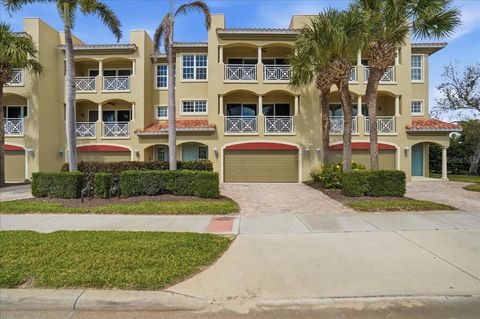

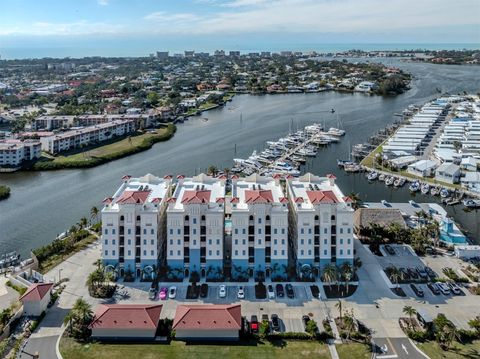
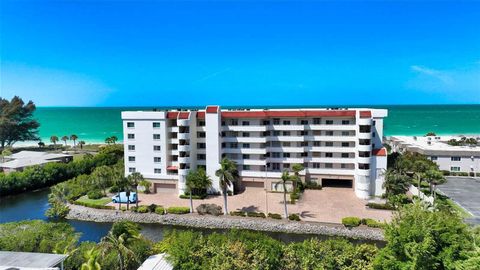
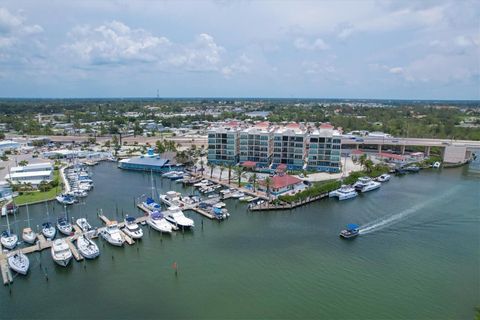
For more insights about owning a condo versus a single-family home in Southwest Florida, or to discuss your options with a local expert, contact Brad Tritschler at 941-716-1042.
Venice Florida Real Estate Year-round Average Temperatures and Rainfall