
Difference Between a Condominium and a Single-Family Home
Differences Between a Condominium and a Single-Family Home
Buying a home is often the largest financial decision a person or family will make. One of the key choices is the type of home: a single-family house or a condominium. Both options have pros and cons, and understanding the main differences can help you make the right choice.
Ownership: What You Actually Own
A single-family home is typically a free-standing structure with its own yard. When you buy, you own the building and the land beneath it.
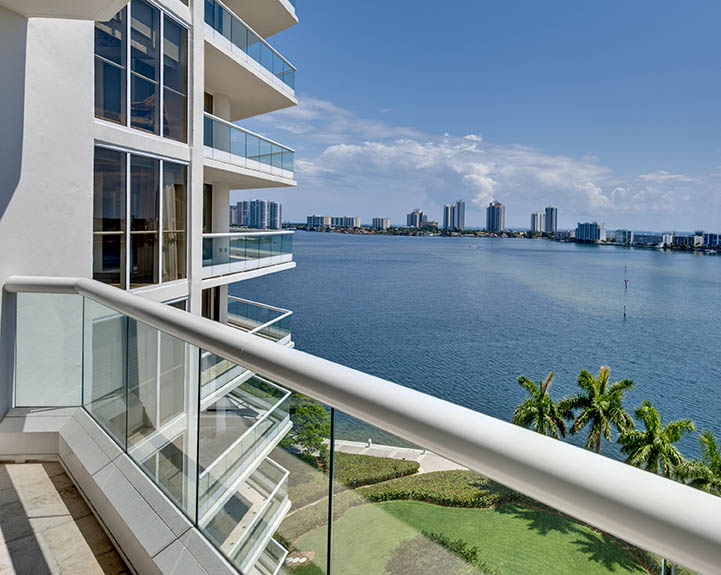
In contrast, a condominium offers ownership of your individual unit only. You do not own the land or the building’s exterior. Common areas—like pools, landscaping, fitness centers, and parking—are collectively owned and maintained by all residents.
Rules and Restrictions: Freedom vs. Structure
Single-family homeowners enjoy more freedom. You can usually remodel the interior, change colors, textures, and even the floor plan, as long as you follow local zoning laws or HOA rules. Outdoor spaces are mostly yours to enjoy, though excessive disturbances could lead to complaints.
Condominiums have stricter rules. Units are closer together, which means noise restrictions are tighter. Exterior changes, like paint colors or finishes, are often prohibited. Even interior modifications may require approval to maintain uniformity across the project. HOA regulations also govern patios, porches, and sometimes furniture placement.
Maintenance and Costs: Who Pays for What
Owning a single-family home means you handle all maintenance, repairs, and associated costs, including:
-
Property taxes
-
Homeowner’s insurance
-
HOA dues (if applicable)
-
Utilities
This gives you control, but also responsibility.
With a condominium, the HOA covers exterior maintenance, landscaping, and common area upkeep. Owners pay for:
-
Property taxes
-
Insurance for interiors and personal belongings
-
HOA fees, often monthly or quarterly
Some utilities may also be included, depending on the association. Special assessments can occur for major repairs, like roof replacement or pool maintenance. Your influence is limited to a single vote within the HOA, which can impact both dues and project decisions.
Resale Considerations: How Value is Affected
Reselling a single-family home is straightforward. Your care, upgrades, and maintenance directly influence resale value.
Condos are more complex. The condition of the entire project affects your unit’s value. Poorly maintained common areas can reduce the market price, even if your unit is pristine. Additionally, if multiple similar units are on the market, competition may lower your sale price. Investor restrictions on rentals can also limit appeal.
Making the Right Choice
Choosing between a single-family home and a condominium depends on lifestyle, finances, and personal priorities. Single-family homes offer control and flexibility. Condos provide convenience, shared maintenance, and community amenities.
Understanding these differences ensures you make the best decision for your situation.
Brad Tritschler, REALTOR®, has upheld his family’s reputation for integrity and success in real estate for three generations in the greater Sarasota County area. If you are looking for Venice Florida homes for sale, give him a call at 941-716-1042.